Soslanbek Baichorov Alphabet Table |
|||||||||||||||||||||||||||||||||||||||||||||||||||||||||||||||||||||||||||||||||||||||||||||||||||||||||||||||||||||||||||||||||||||||||||||||||||||||||||||||||||||||||||||||||||||||||||||||||||||
| Amanjolov Alphabet Table | Baichorov Alphabet Table | Kyzlasov Alphabet Table | Mukhamadiev Alphabet Table | ||||||||||||||||||||||||||||||||||||||||||||||||||||||||||||||||||||||||||||||||||||||||||||||||||||||||||||||||||||||||||||||||||||||||||||||||||||||||||||||||||||||||||||||||||||||||||||||||||
|
Introduction |
|||||||||||||||||||||||||||||||||||||||||||||||||||||||||||||||||||||||||||||||||||||||||||||||||||||||||||||||||||||||||||||||||||||||||||||||||||||||||||||||||||||||||||||||||||||||||||||||||||||
|
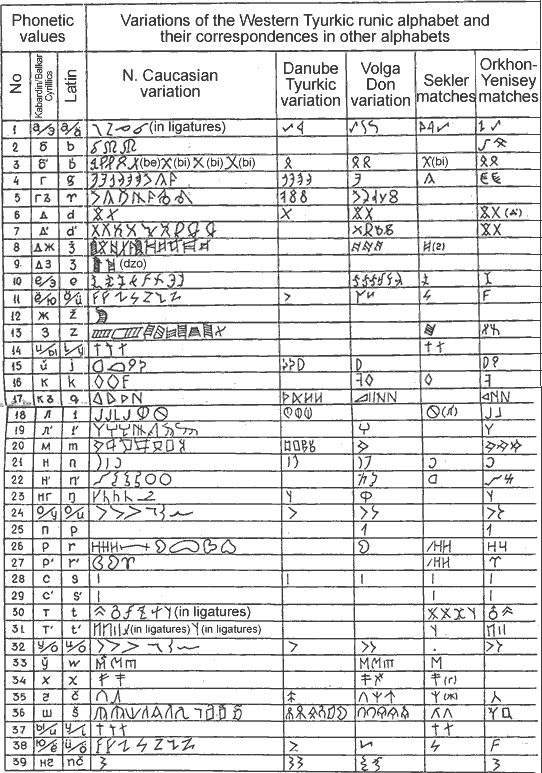
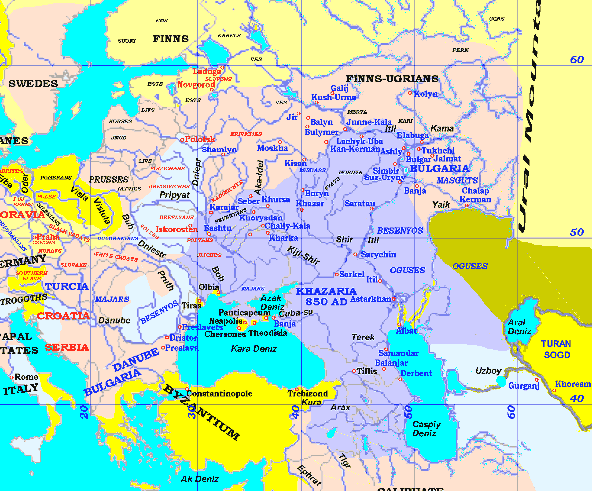
In his book, Ancient Türkic Runic Monuments of Europe, Soslan Baichorov provided readings for about 150 inscriptions, demonstrating a wide spread of the Türkic literacy in the Eastern and Central Europe, the giant spread of the Türkic inscription monuments, and the ethnic affiliation of the studied texts with the "d" and "dj" dialects of the Bulgarian language over the vast steppe expanses from Itil to Danube. S. Baichorov de-mystified the inscriptions attributed by the archeologists to the Alanian populations of the Khazaria. He found them to be legibly written in the Ogur-type Bulgarian language, and detected the dialectal nuances. To be able to accomplish the decipherment of the North Caucasian and Northern Pontic inscriptions, S. Baichorov had to establish the alphabetical specifics of the differing scripts of the different schools of writing, and the grammatical rules used in the conventional writings. In process, S. Baichorov determined phonetical values of the letters that were perplexing scholars involved in the studies of runiform inscriptions in the Eastern Europe. The Alphabet Table below is taken from the S. Baichorov's book. In the table, S. Baichorov assembled the variations in the alphabet graphemes used by the: "Danube Türkic population", which is historically attested as the Bulgarian population extended from Transylvania to the Kama river estuary, "Volga-Don population", associated, based on the catacomb burial traditions and the characteristic for the Alans skull deformation, but without any real scientific lab dating confirmation, with the Alanian populace under the Khazarian supremacy, "Sekler population", which is the part of the Bulgarian population with the endoethnonym anchored in the endoethnonym "As", and congruent to the endoethnonym "Eseg" attested as a component of the Itil Bulgarian state. A part of the Seklers relocated to Pannonia and integrated with the Pannonian population, but preserved their Türkic script well into the New Age time. "Orkhon-Yenisey" script is the "classical" Türkic script of the Asia. The reason for multiple alphabet tables is that each researcher encounters script variations within the studied material, and assembles these variations according to the area or ethnicity studied. These "encyclopedias of alphabets" allows other scholars to follow and validate the reading suggested by each author. |
|||||||||||||||||||||||||||||||||||||||||||||||||||||||||||||||||||||||||||||||||||||||||||||||||||||||||||||||||||||||||||||||||||||||||||||||||||||||||||||||||||||||||||||||||||||||||||||||||||||
|
Soslanbek Baichorov |
|||||||||||||||||||||||||||||||||||||||||||||||||||||||||||||||||||||||||||||||||||||||||||||||||||||||||||||||||||||||||||||||||||||||||||||||||||||||||||||||||||||||||||||||||||||||||||||||||||||
|
Table 72, p. 90-91
|
|||||||||||||||||||||||||||||||||||||||||||||||||||||||||||||||||||||||||||||||||||||||||||||||||||||||||||||||||||||||||||||||||||||||||||||||||||||||||||||||||||||||||||||||||||||||||||||||||||||
|
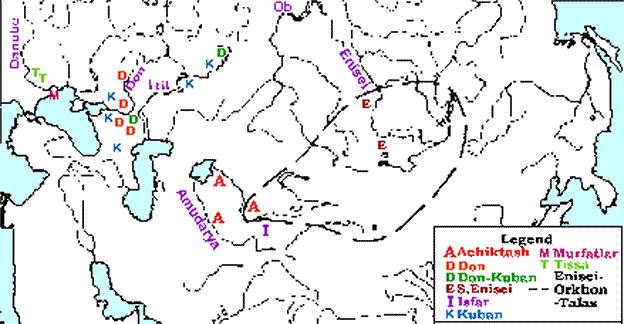
Distribution
of the the Euro Asiatic and the Asiatic groups of the Türkic alphabets |
|||||||||||||||||||||||||||||||||||||||||||||||||||||||||||||||||||||||||||||||||||||||||||||||||||||||||||||||||||||||||||||||||||||||||||||||||||||||||||||||||||||||||||||||||||||||||||||||||||||


 |